Source Activated Carbon Cat Fountain Filter for Household, Hotel, Commercial
Source 30 activated carbon cat fountain filter options from verified manufacturers. Compare specifications, certifications, and pricing for household, hotel, and commercial applications to find the right replacement for your pet water fountain.
Key considerations
Products List
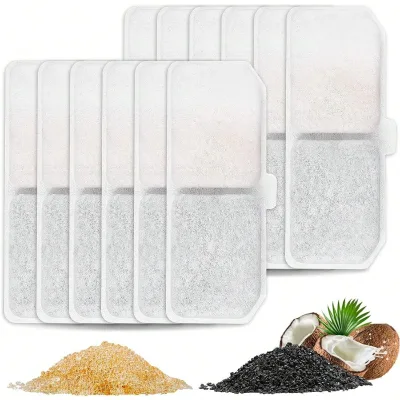


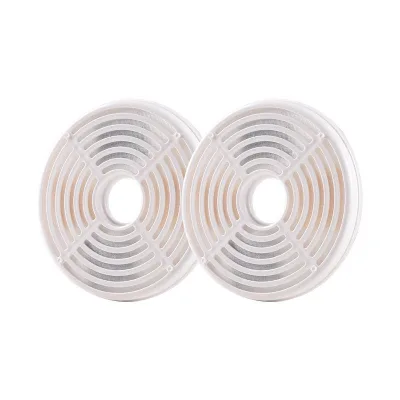


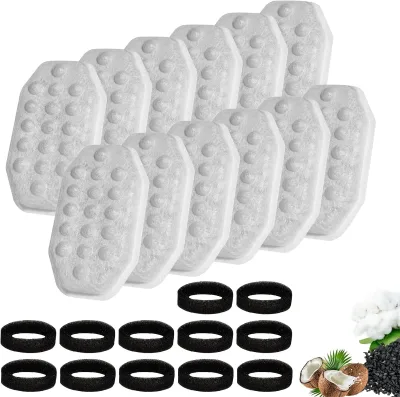
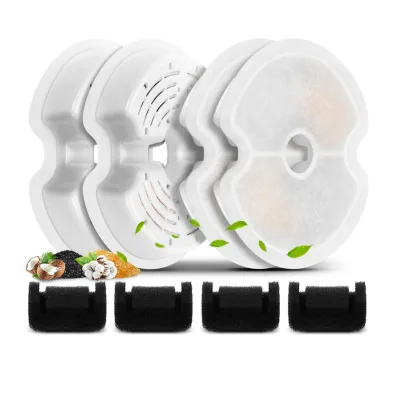
Comprehensive Sourcing Guide
Strategic Sourcing Guide for Activated Carbon Cat Fountain Filters
Navigating the global market for activated carbon cat fountain filters requires a disciplined approach that balances technical performance, regulatory compliance, and supply chain reliability. For procurement professionals, the core keyword "activated carbon cat fountain filter" represents a specialized component within the broader pet care ecosystem. Unlike general pet supplies, these filters serve a critical function in maintaining water quality for feline hydration systems. The following guide synthesizes available product attributes and industry standards to provide a robust framework for sourcing decisions, ensuring that buyers can identify high-quality components without relying on unverified marketing claims.
Technical Specifications and Material Composition
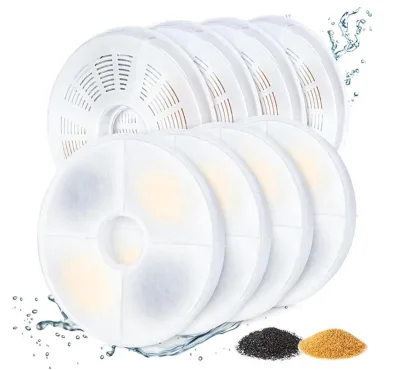
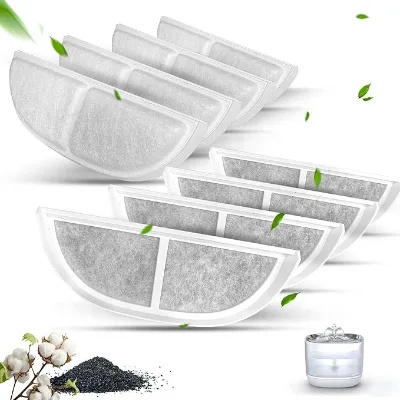
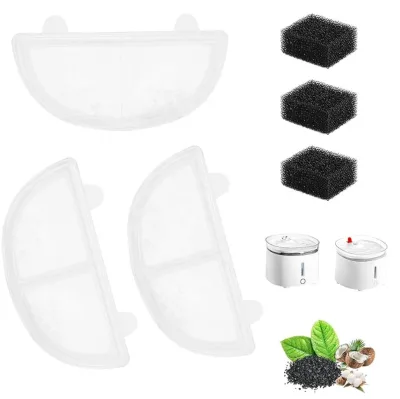
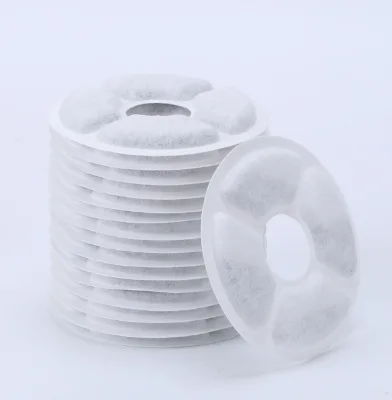
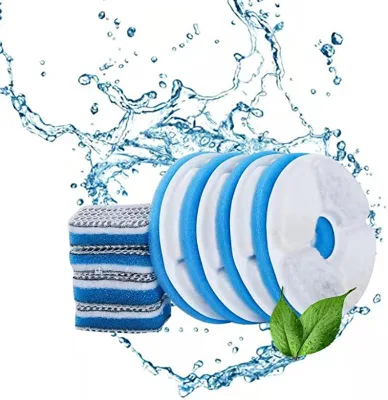
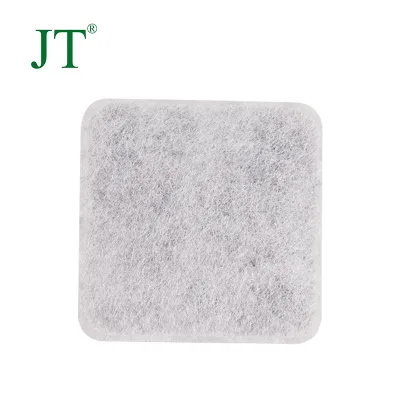
The fundamental technical differentiator for these filters lies in their material composition and filtration efficiency. Based on observed product data, the primary filtration media consists of activated carbon, often combined with cotton and sponge layers. This multi-layered approach is designed to address specific water quality issues. The activated carbon component is responsible for adsorbing impurities, reducing chlorine taste, and eliminating odors, which aligns with the observed product advantage of keeping water refresh and clean. The inclusion of cotton and sponge indicates a pre-filter function, designed to trap larger particulate matter before the water reaches the carbon bed, thereby extending the lifespan of the carbon media.
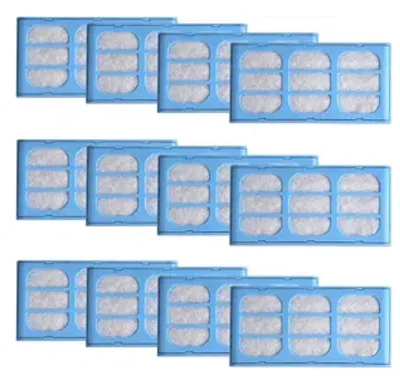
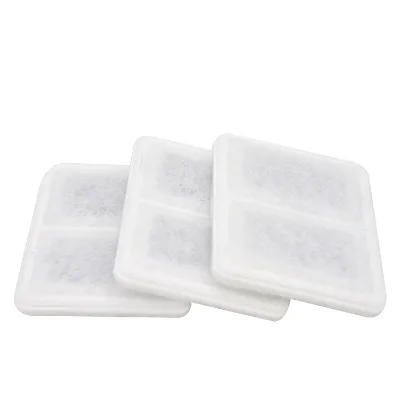
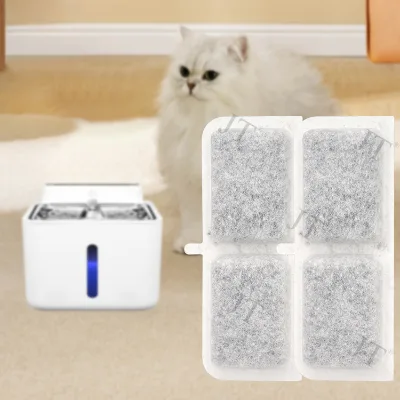
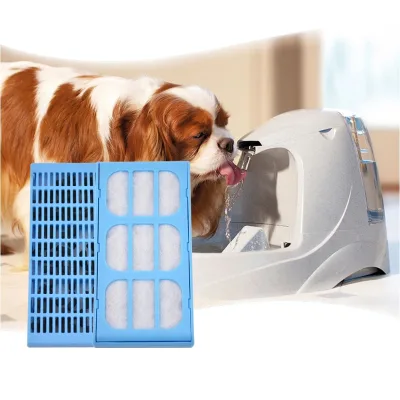
Dimensions and physical form factors are equally critical for compatibility. Sourcing data indicates that these filters are not one-size-fits-all solutions. Specific model numbers, such as WF, BS4222, and BS3761, correspond to distinct physical dimensions. For instance, one observed specification lists a size of 112mm43mm or 104mm43mm, while another notes a size of 3.8 X 2.2 Inches with customization options available. The shape is consistently described as quadrate, fitting into specific housing designs. Buyers must verify that the physical dimensions of the sourced filter match the internal geometry of the target water fountain model. The product data explicitly lists applicable models such as Plwf106, Plwf116, Plwf105, Plwf115, Plwf005, Wf20, and CF20. Failure to match these specific model numbers can result in installation failures or water leakage.
Furthermore, the operating mode of the associated fountain systems is typically manual in terms of filter replacement, with a recommended usage cycle of changing the filter every two weeks. This usage frequency is a key performance metric for inventory planning. The filters are designed for indoor usage scenarios and are compatible with electric power sources for the fountain unit itself, though the filter element remains a passive component. The single package size is compact, typically around 12X5X2 cm, with a gross weight of approximately 0.010 kg, which significantly influences shipping logistics and cost calculations for bulk orders.
Compliance and Certification Verification
In the pet care industry, particularly for products involving water contact, regulatory compliance is non-negotiable. The observed product data highlights several key certifications that serve as indicators of quality and safety. These include FDA, ISO, and BRC certifications. The FDA certification is particularly relevant as it suggests that the materials used, such as the activated carbon and non-woven fabric, meet food-grade safety standards, ensuring that no harmful substances leach into the drinking water.
ISO certifications, specifically ISO9001 and ISO14001, point to a supplier's commitment to quality management systems and environmental management, respectively. While the data notes that some products have standards "on request," the presence of these specific ISO numbers in the product attributes suggests a baseline expectation for reputable manufacturers. Buyers should verify that the certification documents provided by the supplier are current and cover the specific manufacturing facility producing the filters. It is important to note that while "OEM" and "ODM" are available, the certification status must be tied to the actual production batch.
The material composition also plays a role in compliance. The use of non-woven fabric and activated carbon is standard, but the source of the carbon and the binding agents used in the sponge must be free from heavy metals and toxic chemicals. The "Recyclable" feature mentioned in the product attributes adds an environmental dimension, which may be a requirement for buyers targeting eco-conscious markets. However, buyers must distinguish between marketing claims and verified recyclability standards, ensuring that the supplier can provide documentation on the end-of-life handling of the filter components.
Cost Drivers and Pricing Dynamics
Understanding the cost structure of activated carbon cat fountain filters is essential for effective budgeting. The observed price range in the market spans from $0.22 to $20.23 USD. This wide variance is not necessarily indicative of quality differences alone but reflects a complex mix of factors including material grade, customization levels, and order volume. The lower end of the spectrum likely represents standard, non-customized units with basic activated carbon content, while the higher end may include specialized carbon blends, custom packaging, or premium certifications.
The Minimum Order Quantity (MOQ) is another significant cost driver. The observed MOQ range is from 1 to 3000 units. For small buyers or those testing the market, an MOQ of 1 allows for low-risk sampling. However, for large-scale procurement, negotiating an MOQ closer to the upper limit can significantly reduce the unit cost. The "Selling Units" are listed as single items, but bulk purchasing is implied by the high MOQ ceiling. Buyers should calculate the total landed cost, including shipping, which is influenced by the single gross weight of 0.010 kg per unit. While the weight is negligible, the volume occupied by the single package size of 12X5X2 cm can affect container utilization.
Customization is a major variable in pricing. The product data confirms that customization is available, including color options (White, Black, White Customized) and size adjustments. Customized orders typically incur higher unit costs due to the setup of new molds or production lines. The "OEM/ODM" availability suggests that buyers can request private labeling, which may involve additional fees for branding and packaging design. Buyers should request detailed cost breakdowns to understand the premium associated with these custom features versus standard off-the-shelf products.
Typical Applications and Usage Scenarios
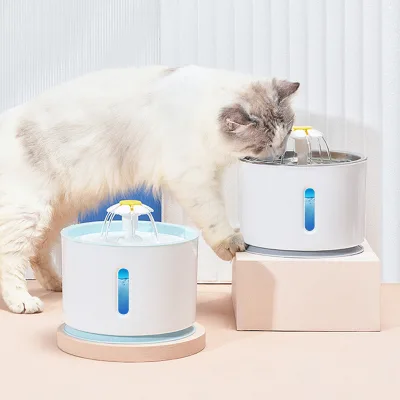
The application scope for these filters extends beyond simple household use. While the primary application is for small animals, specifically cats, the product data indicates suitability for commercial, household, and hotel environments. This versatility suggests that the filters are robust enough to handle varying water usage patterns. In a household setting, the filter ensures that the water fountain provides fresh, odor-free water, encouraging cats to drink more. The recommendation to change the filter every two weeks is a standard maintenance protocol to prevent bacterial growth and maintain filtration efficiency.
In commercial settings such as hotels or veterinary clinics, the reliability of the filter is paramount. A failure in filtration can lead to water quality issues that affect animal health and customer satisfaction. The "Pre Filter" efficiency rating implies that these units are designed to handle a certain load of particulate matter before the carbon becomes saturated. Buyers sourcing for commercial clients should prioritize suppliers who can demonstrate consistent performance over the recommended two-week cycle. The "Non-automatic" and "Without Fixed Time Feeding" attributes clarify that these are passive components requiring manual intervention, which simplifies the supply chain but requires clear communication with end-users regarding maintenance schedules.
The compatibility with specific fountain models (Plwf106, Wf20, etc.) dictates the application context. Buyers must ensure that the filters they source are explicitly listed as compatible with the fountain models they are supplying. Mismatched models can lead to returns and reputational damage. The "Indoor" usage scenario is a critical constraint; these filters are not designed for outdoor exposure to UV light or extreme weather, which could degrade the activated carbon or the non-woven fabric.
Supplier Evaluation and Sourcing Channels
Evaluating suppliers for activated carbon filters requires a focus on their manufacturing capabilities and track record. The product data identifies specific supplier entities, such as Nanjing Blue Sky Filter Co., Ltd., and indicates origins in Guangdong and Nanjing, Jiangsu, China. While specific supplier names should not be recommended, the presence of these locations highlights the concentration of manufacturing expertise in these regions. Buyers should verify the "Place of Origin" to ensure it aligns with their sourcing strategy, as regional differences can impact lead times and shipping costs.
The availability of OEM and ODM services is a strong indicator of a supplier's flexibility. A supplier that offers customization in color, size, and packaging is better positioned to meet the unique needs of different buyers. However, buyers must verify the supplier's capacity to handle these customizations without compromising quality. The "Standard Export Carton" packing method suggests that the supplier is experienced in international logistics, but buyers should confirm the packaging details to ensure the filters are protected during transit.
When evaluating suppliers, buyers should look for evidence of the claimed certifications (FDA, ISO, BRC). It is not sufficient for a supplier to simply state they are certified; they must provide valid certificates that cover the specific product line. The "Customized" attribute implies that the supplier has the engineering capability to modify product specifications. Buyers should request samples of customized products to verify that the modifications meet their requirements before placing a large order.
Quality Control and Long-Term Procurement Considerations
Implementing a rigorous quality control (QC) process is vital for maintaining the integrity of the supply chain. Given the critical role of these filters in pet health, any deviation in material quality or filtration efficiency can have serious consequences. Buyers should establish clear acceptance criteria based on the observed specifications, such as the material composition (Activated Carbon, Cotton, Sponge) and physical dimensions. Regular sampling and testing should be conducted to verify that the filters meet the "Pre Filter" efficiency standards and that the activated carbon is effective in adsorbing impurities.
Long-term procurement considerations involve building a sustainable relationship with suppliers who can consistently deliver high-quality products. The "OEM/ODM" availability suggests a potential for long-term partnership, where the supplier can adapt to changing market needs. Buyers should consider the lead times associated with customized orders, as these may be longer than standard products. The "Standard Export Carton" packing is a good baseline, but for long-term contracts, buyers might negotiate for more robust packaging to reduce damage rates.
The "Recyclable" feature offers an opportunity for buyers to enhance their sustainability profile. Procuring filters that are environmentally friendly can be a differentiator in the market. However, buyers must verify the recyclability claims with the supplier to ensure they are not merely marketing slogans. Establishing a clear return or recycling program for used filters can further enhance the value proposition.
Finally, buyers should monitor the market for changes in material costs and regulatory requirements. The price range of $0.22 to $20.23 indicates a dynamic market. Fluctuations in the cost of activated carbon or cotton can impact pricing. Maintaining open communication with suppliers regarding these trends will help buyers anticipate cost changes and adjust their procurement strategies accordingly. By focusing on technical specifications, compliance, and supplier reliability, buyers can secure a steady supply of high-quality activated carbon cat fountain filters that meet the needs of their customers.
FAQs
What materials are used in activated carbon cat fountain filters?
These filters primarily consist of activated carbon combined with cotton and sponge layers. Some variants also include non-woven fabric to enhance filtration efficiency. This multi-layer design traps particulate matter before water reaches the carbon bed.
Which certifications should I look for in pet water filters?
Reputable products typically hold FDA, ISO, and BRC certifications. FDA compliance ensures food-grade safety for water contact, while ISO9001 and ISO14001 indicate quality and environmental management standards. Verify these documents directly with the supplier.
How often should I replace the activated carbon filter?
The recommended usage cycle is to change the filter every two weeks. This frequency prevents bacterial growth and maintains optimal filtration efficiency for keeping water fresh and clean. Manual replacement is required as these are non-automatic components.
Can I customize the size or color of these filters?
Yes, customization is available for both size and color options like white or black. Suppliers offer OEM and ODM services to meet specific model requirements such as Plwf106 or Wf20. Custom orders may involve additional costs and lead times.
What is the typical price range for these filters?
The observed price range spans from 0.22 to 20.23 USD per unit. This variance depends on material grade, customization levels, and order volume. Lower prices often reflect standard non-customized units, while higher prices include specialized features.
Which models are compatible with these replacement filters?
Filters are designed to fit specific models including Plwf106, Plwf116, Plwf105, Plwf115, Plwf005, Wf20, and CF20. Physical dimensions vary, with common sizes being 112mm by 43mm or 3.8 by 2.2 inches. Always verify compatibility before purchasing.
Where are these filters typically manufactured?
Manufacturing origins are primarily located in Guangdong and Nanjing, Jiangsu, China. These regions host suppliers capable of producing filters with standard export carton packaging. Buyers should confirm the specific place of origin to align with logistics strategies.